Neck pain rarely comes from one bad move. More often it’s a long blend of habits, micro-strains, and a few unlucky moments. I have worked with people who woke up “crooked” after a red-eye flight, cyclists who tucked their chins for 60 miles and paid for it later, and office pros who swear their monitor is “fine” until you line up their ear with their shoulder and see the truth. The cervical spine is resilient, but it appreciates thoughtful input: clear movements, targeted strength, and patient consistency.
This guide walks through how I approach cervical spine physical therapy and home programs that actually help. It covers realistic foundations like pain management, posture alignment, and ergonomic adjustments, then details stretching and strengthening exercises that support recovery from common causes of neck pain: whiplash, poor posture, and herniated discs. You’ll see what to do, what to skip, and how to measure progress without chasing pain around the map.
Why necks get cranky
The neck carries your head, which weighs roughly 10 to 12 pounds. That load changes wildly with posture. When your head drifts forward an inch or two, the effective load on cervical tissues multiplies. Over a day at a laptop or scrolled over a phone, the deep neck flexors check out, the upper traps hang on for dear life, and the small joints at the base of the skull start fighting rearguard battles. Add a past fender-bender or a night on a lumpy pillow, and the deck is stacked.
A few patterns show up again and again:
- Whiplash: Fast acceleration and deceleration overwhelms soft tissues. People often feel fine at first, then stiff and sore over the next 24 to 72 hours. Gentle neck stretches and pain management matter early, but so does a steady return to normal motion to avoid long shutdowns. Poor posture: It’s not about “perfect posture,” it’s about options. If you only sit one way for hours, muscles adapt to that single shape. Postural correction therapy for neck pain focuses on restoring range of motion and strength so your body can tolerate different positions. Herniated disc: Radiating symptoms into the shoulder or arm can signal nerve irritation. Manual therapy for neck stiffness can help, but the star of the show is graded movement and strengthening that calms nerve sensitivity and restores tolerance.
No matter the root cause, most plans share the same spine: reduce muscle tension, improve range of motion, layer in strength that lasts, and carry those gains into daily life.
Start with a thoughtful evaluation
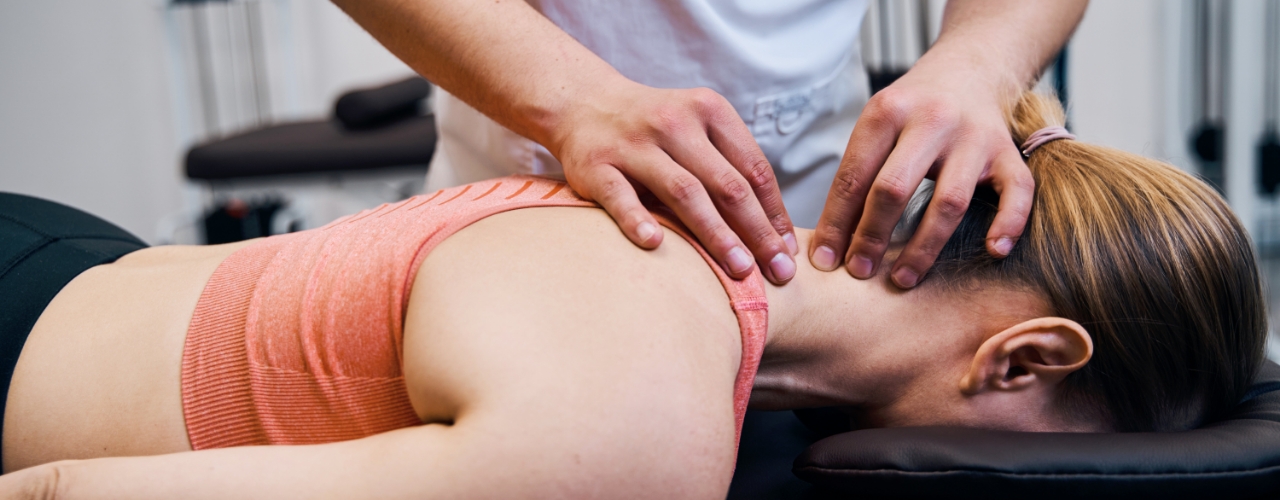
A good physical therapy evaluation sets the tone. I look at cervical range of motion, joint irritability, and symptom behavior during basic movements such as turning the head, looking up, and tucking the chin. I check shoulder motion, thoracic spine mobility, and breathing patterns, because sticky upper backs and shallow breathing often amplify neck pain. Trigger point therapy might help if there are clear taut bands that reproduce familiar pain. Myofascial release or gentle manual manipulation can ease guarding enough to allow movement, but I always test how symptoms respond before and after, and I document what changes.

If there are red flags like worsening numbness, progressive weakness, balance changes, or unexplained weight loss, I send people for medical follow-up. Most neck pain, however, belongs in a rehabilitation lane where a blend of manual therapy, specific exercises, and ergonomic tweaks delivers steady, measurable improvement.
Pain management that doesn’t stall progress
The quickest way to get stuck is avoiding all movement until the pain disappears. Acute flares respond better to smart modulation: move within a tolerable range, use support tools judiciously, and avoid anything that spikes symptoms for hours afterward. Heat can help loosen stiff muscles before sessions, while ice takes the edge off after a long day. Over-the-counter anti-inflammatories and topical analgesics can be useful for short windows, especially when they help you do the work, not escape it.
Breath work belongs here too. Slow nasal breathing with a long exhale tells the nervous system that you’re safe. I often pair a five-second inhale with a six to eight-second exhale during stretches or isometrics. It lowers muscle tone and gives you better access to movement.
Posture alignment without the perfection myth
Instead of chasing a single ideal pose, we build posture alignment capacity. Imagine a triangle: chin tuck skill, shoulder blade control, and thoracic mobility. When all three corners hold, the neck spends less time fighting gravity and more time moving freely. Postural correction therapy for neck pain usually starts with awareness. I cue people to sit tall from the breastbone, lengthen the back of the neck a touch, then gently draw shoulder blades down and slightly together. If this feels like military attention, soften it by 30 percent. You want sustainable, not stiff.
Ergonomic adjustments matter, especially for remote workers. As a rule of thumb, set the top third of your monitor at eye level, keep the keyboard close, and slide the chair in so you’re not reaching. A footrest can help if your feet dangle. If you’re searching online for “neck pain physical therapy near me,” ask clinics whether they do workstation consults or can review photos of your setup. A 10-minute tweak can do more than another hour of passive treatment.
Gentle neck stretches you can actually feel working
The right stretching and strengthening exercises serve a purpose. Stretches should reduce muscle tension and allow normal movement, not force angles that bite. Strength should reinforce those ranges so your gains stick.
I favor these gentle neck stretches early on:
- Upper trapezius and levator stretch: Sit tall. Hold onto the seat with your right hand to anchor the shoulder. Tilt the left ear toward the left shoulder. To bias the levator scapulae, rotate your head slightly to the right, then nod your chin down as if looking at your right armpit. Hold 20 to 30 seconds, breathe slowly, repeat two or three times per side. Suboccipital release with nod: Lie on your back with a small, firm towel rolled under the base of your skull, not your neck. Let the head be heavy. Perform tiny nods, as if saying yes to a small secret, keeping the chin glide smooth. Ten to fifteen slow nods, rest, then repeat. Thoracic extension over a support: Place a foam roller horizontally under the mid-back. Support your head with your hands. Gently arch over the roller, then return. Keep the neck long so the movement focuses on the upper back. Six to eight reps, two sets. Scalene doorframe stretch: Stand next to a doorframe. Place your right forearm along the frame at shoulder height. Step the right foot forward and gently rotate your torso and head to the left while keeping the shoulder down. Hold 20 seconds, repeat two times per side. If you feel tingling down the arm, back off the intensity and angle.
Two common mistakes to avoid: pushing stretches to the point of sharp pain, and turning every stretch into a full-body shrug. Keep the shoulders quiet and the breath steady. If symptoms travel down the arm, reduce the range, change the angle, or stop and check with your therapist.
Build the deep system first, then layer strength
People often skip the small stabilizers, then wonder why their neck feels fragile during bigger movements. The deep neck flexors are the seatbelt that keeps the head aligned when you look down, reach, or turn. We train them early, then stack in shoulder blade and posterior chain strength.
Chin tuck progressions: Start supine. Place two fingers on the chin and imagine sliding it straight back, not down. The back of the head stays on the pillow. Aim for a soft double-chin feeling without jaw clenching. Hold five seconds, relax for five, repeat 8 to 10 times. Progress to a seated chin tuck, then add a small head lift off the pillow for three seconds if the base exercises are clean. If you feel the big neck muscles in front bulging like cables, you are pushing too hard. Soften it.
Isometric rotations: Sit tall. Place your right palm against the right side of the forehead. Try to turn your head right into the hand while the hand resists, about 30 to 40 percent effort. Hold five seconds, repeat five times, switch sides. This builds rotational control without aggravating irritable joints.
Scapular setting with rows: Loop a light band around a stable anchor. Stand tall, chin tucked gently, ribs stacked over the pelvis. Pull the band toward your rib cage, squeezing shoulder blades down and in, then fully release. Two sets of 10 to 12 reps. People with neck pain often overuse upper traps during rows. Think “pockets and back,” not “ears and shrug.”
Prone Y and T lifts: Lie face down on a bench or stability ball. With light dumbbells or no weight, lift the arms slightly into a Y shape, then a T shape, while keeping the neck long. Small ranges, controlled tempo. Eight to 12 reps each, one to two sets to start.
Cervical endurance holds: Seated tall, tuck the chin, and imagine a string lifting the crown of your head upward. Hold the gentle lift while breathing slowly for 30 to 45 seconds. This is not a brace, it is an organized length. Build to three holds. It pays dividends during desk work.
If you’re flared up, you might run just chin tucks, nods, and suboccipital work for a few days. As pain settles, add isometrics, rowing, and thoracic mobility. The key is stepping forward without poking the bear.
Handling radiating pain and disc irritation
Cervical discs can heal, but they hate being hassled. If you have arm pain, tingling, or grip changes, be meticulous with loads and ranges. Movements that bias nerve gliding can help when prescribed thoughtfully. For many, gentle cervical retraction with a slight upward gaze reduces arm symptoms. For others, looking slightly down settles the system. I test positions and track arm responses during and after sessions.
When nerve tension is obvious, I use slider variations instead of long-held neural tensioners. For example, with the arm at your side, extend the wrist and gently tilt the head away, then flex the wrist as you tilt the head back to center. The nerve moves without sustained stretch. If symptoms increase more than mild and do not resolve within minutes of stopping, scale back and consult your therapist. During these phases, manual therapy around the thoracic spine and first rib can ease the neighborhood so the nerve stops getting pinged from every angle.
Manual therapy: helpful, not magical
Manual therapy for neck stiffness has a role. I use myofascial release to soften guarded tissues, joint mobilizations to encourage motion in sticky segments, and trigger point therapy to reduce referred pain into the head or shoulder. The trick is pairing manual gains with immediate movement practice so the nervous system keeps what you just unlocked. If you lie on the table for 20 minutes, feel great, then go back to your old desk setup and old habits, the relief fades.
People often ask about high-velocity manual manipulation. For the right person, applied by an experienced orthopedic therapist or chiropractor who screens properly, it can be safe and helpful. It is not required for recovery, and it is never a standalone fix. Gentle graded mobilizations and targeted exercise often achieve similar outcomes with less drama.
A simple home exercise plan for neck pain
Here is a compact plan I’ve used with desk-bound patients after the initial flare settles. It fits into busy days, respects sensitive tissues, and leaves room to adjust.
- Morning reset: Suboccipital nods over a towel roll, 10 to 15 reps. Chin tucks, 8 to 10 reps. Upper trap stretch, 20 to 30 seconds per side. Midday movement snack: Thoracic extension over a roller, 6 to 8 reps. Band rows, 2 sets of 10 to 12. Cervical endurance hold, 30 seconds. Evening wind-down: Scalene stretch or gentle doorway pec stretch, 20 seconds each. Isometric rotation holds, 5 per side. Twice per week: Prone Y and T lifts, 2 sets each. If equipment is limited, do them standing with a slight hip hinge and no weight.
If symptoms flare, cut reps by a third, skip the loaded work for a day, and lean into the breath-paced mobility. If you taper down like this and pain persists or worsens, book a physical therapy evaluation to re-check the plan.
Ergonomic adjustments that stick
Chasing perfect posture is a trap. Building a workspace that encourages options is smarter. Rather than a long checklist, I look for three wins: neutral head position, arms supported, and frequent position changes. A headset beats cradling a phone. A laptop on a riser with an external keyboard helps you stop peering down. If your chair lacks lumbar support, a simple towel roll can nudge you upright without effort. And yes, the best ergonomic device is the next posture. Stand, sit, perch, move.
If you’re hunting for physical therapy for neck pain or a clinic that understands workstation issues, search for cervical spine physical therapy with ergonomic assessment or ask whether they provide virtual desk reviews. A few photos from the side and back can guide specific tweaks in under 10 minutes.
When a whiplash history complicates things
Whiplash brings sensitivities beyond sore muscles. People often develop protective patterns, sleep disturbances, and fear of movement. I address these with graded exposure and crisp wins. Early on, very gentle range of motion in pain-free arcs matters more than intensity. I might set a goal like “turn the head to 40 percent range while breathing smoothly for five breaths” and track progress daily. We also watch for dizziness or visual strain, which sometimes need vestibular or oculomotor drills. In these cases, neck pain treatment with physical therapy is broader than the neck. It addresses the system.
How to tell if an exercise is helping
Positive signs are simple: pain eases by a notch or two after sessions, range of motion expands week to week, and daily tasks like backing the car or checking blind spots feel safer. Soreness lasting less than 24 hours is acceptable after a new exercise, provided it is mild and trending down. Warning signs include sharp or spreading pain, new numbness or weakness, headaches that build after each session, or sleep disruptions that don’t settle. When in doubt, lighten the load and ask your therapist for a course correction.
Real-world pacing and expectations
Most people with uncomplicated neck pain improve meaningfully within four to eight weeks if they train three to five days per week and make small ergonomic changes. Radiating arm pain or a confirmed disc issue can take longer, often 8 to 12 weeks for confident daily function. Full return to strenuous lifting or contact sports can stretch into several months. That timeline shortens with consistent practice and clarity about which movements help you.
I encourage keeping a short log: date, what you did, a quick note on pain before and after, and any notable reactions during work. Patterns emerge. Maybe morning sessions calm your day more than evening work. Maybe long car rides need a mid-trip stretch and a towel behind the shoulder blades. These small discoveries personalize your plan better than any generic protocol.
When to seek more help
If you’re not improving after two to three weeks of steady effort, get another set of eyes. An orthopedic therapist can test specific joints, rule in or out nerve involvement, and tailor loading strategies. If you’re typing “neck pain physical therapy near me” at 2 a.m., look for clinics that mention manual therapy, exercise progressions, and education around posture and ergonomic adjustments. A strong clinic isn’t selling you forever-care. They’ll aim to teach you what works and discharge you when you own it.
Carry the changes into daily life
Exercises work best when the rest of your day runs interference. A few small rules of thumb stick:
- Every 30 to 45 minutes, change how you’re sitting or standing. Set a subtle timer. When it goes off, shift your base, roll the shoulders, and draw a single chin tuck with a slow exhale. Keep screens at eye height for reading longer than a few minutes. If you read on your phone at night, recline with your elbows supported so your head stays neutral. Train the upper back, not just the neck. Rowing, pulldowns, light deadlifts, and farmer carries done with an organized neck spread the workload across the chain. Sleep with the neck in neutral. For side sleepers, a pillow that fills the gap between shoulder and head helps. For back sleepers, a thin pillow plus a small cervical roll often beats a fat pillow that kicks the chin forward.
A note on expectations with manual care
It’s reasonable to feel better after hands-on sessions like myofascial release or joint mobilization. Just remember the treatment is the bridge, not the destination. The destination is movement you can repeat and rely on. I have watched patients keep more than 80 percent of manual therapy gains by reinforcing them immediately with a Advance Physical Therapy Arkansas matched exercise: a suboccipital softening, then nods; a thoracic mobilization, then extension over a roller; a scapular release, then rows. Marry the two and progress sticks.
Wrapping it together
Cervical spine rehabilitation is about clarity and repetition. Clear movements that respect symptoms, repeated often enough to convince the nervous system it is safe to move again. Good posture not as a statue, but as an option you can visit and leave. Strength that starts with small stabilizers and grows into confident shoulder and back control. Manual therapy for neck stiffness when it unlocks a door, then the right exercises to keep it open. Measured changes to your workstation so you aren’t undoing your gains by lunch.

If you need help customizing a plan, find a clinician who listens, tests, and explains. Ask how they will measure progress, how they’ll adjust your home exercise plan for neck pain week by week, and what you should feel during each drill. The neck can be fussy, but it is trainable. With a few weeks of steady practice, most people find their head feels lighter on their shoulders, movements feel less guarded, and that old tight band at the base of the skull finally starts to let go.
Physical Therapy for Neck Pain in Arkansas
Neck pain can make everyday life difficult—from checking your phone to driving, working at a desk, or sleeping comfortably. Physical therapy offers a proven, non-invasive path to relief by addressing the root causes of pain, not just the symptoms. At Advanced Physical Therapy in Arkansas, our licensed clinicians design evidence-based treatment plans tailored to your goals, lifestyle, and activity level so you can move confidently again.
Why Physical Therapy Works for Neck Pain
Most neck pain stems from a combination of muscle tightness, joint stiffness, poor posture, and movement patterns that overload the cervical spine. A focused physical therapy plan blends manual therapy to restore mobility with corrective exercise to build strength and improve posture. This comprehensive approach reduces inflammation, restores range of motion, and helps prevent flare-ups by teaching your body to move more efficiently.
What to Expect at Advanced Physical Therapy
- Thorough Evaluation: We assess posture, joint mobility, muscle balance, and movement habits to pinpoint the true drivers of your pain.
- Targeted Manual Therapy: Gentle joint mobilizations, myofascial release, and soft-tissue techniques ease stiffness and reduce tension.
- Personalized Exercise Plan: Progressive strengthening and mobility drills for the neck, shoulders, and upper back support long-term results.
- Ergonomic & Lifestyle Coaching: Practical desk, sleep, and daily-activity tips minimize strain and protect your progress.
- Measurable Progress: Clear milestones and home programming keep you on track between visits.
Why Choose Advanced Physical Therapy in Arkansas
You deserve convenient, high-quality care. Advanced Physical Therapy offers multiple locations across Arkansas to make scheduling simple and consistent—no long commutes or waitlists. Our clinics use modern equipment, one-on-one guidance, and outcomes-driven protocols so you see and feel meaningful improvements quickly. Whether your neck pain began after an injury, long hours at a computer, or has built up over time, our team meets you where you are and guides you to where you want to be.
Start Your Recovery Today
Don’t let neck pain limit your work, sleep, or workouts. Schedule an evaluation at the Advanced Physical Therapy location nearest you, and take the first step toward lasting relief and better movement. With accessible clinics across Arkansas, flexible appointments, and individualized care, we’re ready to help you feel your best—one session at a time.
Advanced Physical Therapy
1206 N Walton Blvd STE 4, Bentonville, AR 72712, United States 479-268-5757
Advanced Physical Therapy
2100 W Hudson Rd #3, Rogers, AR 72756, United States
479-340-1100